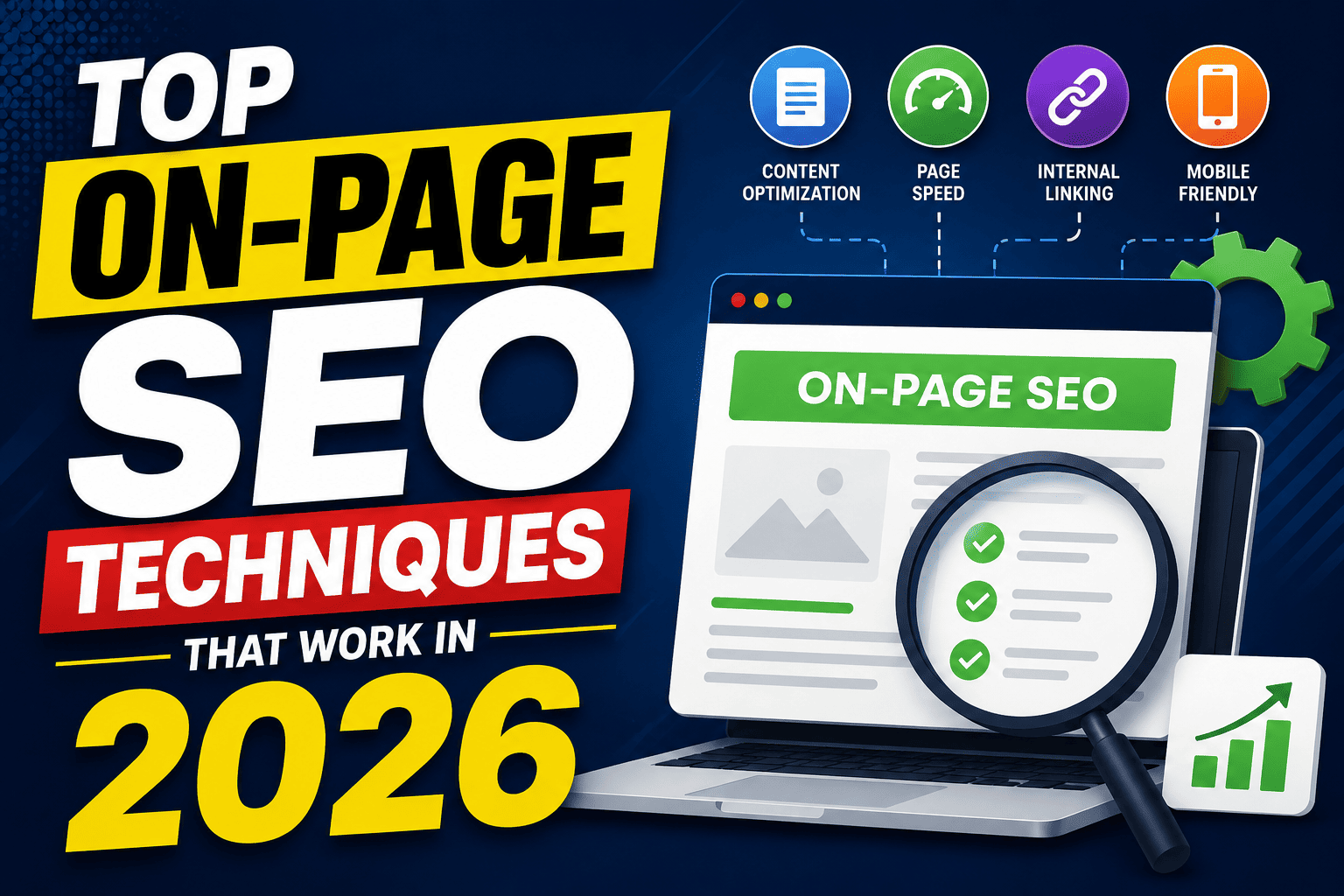




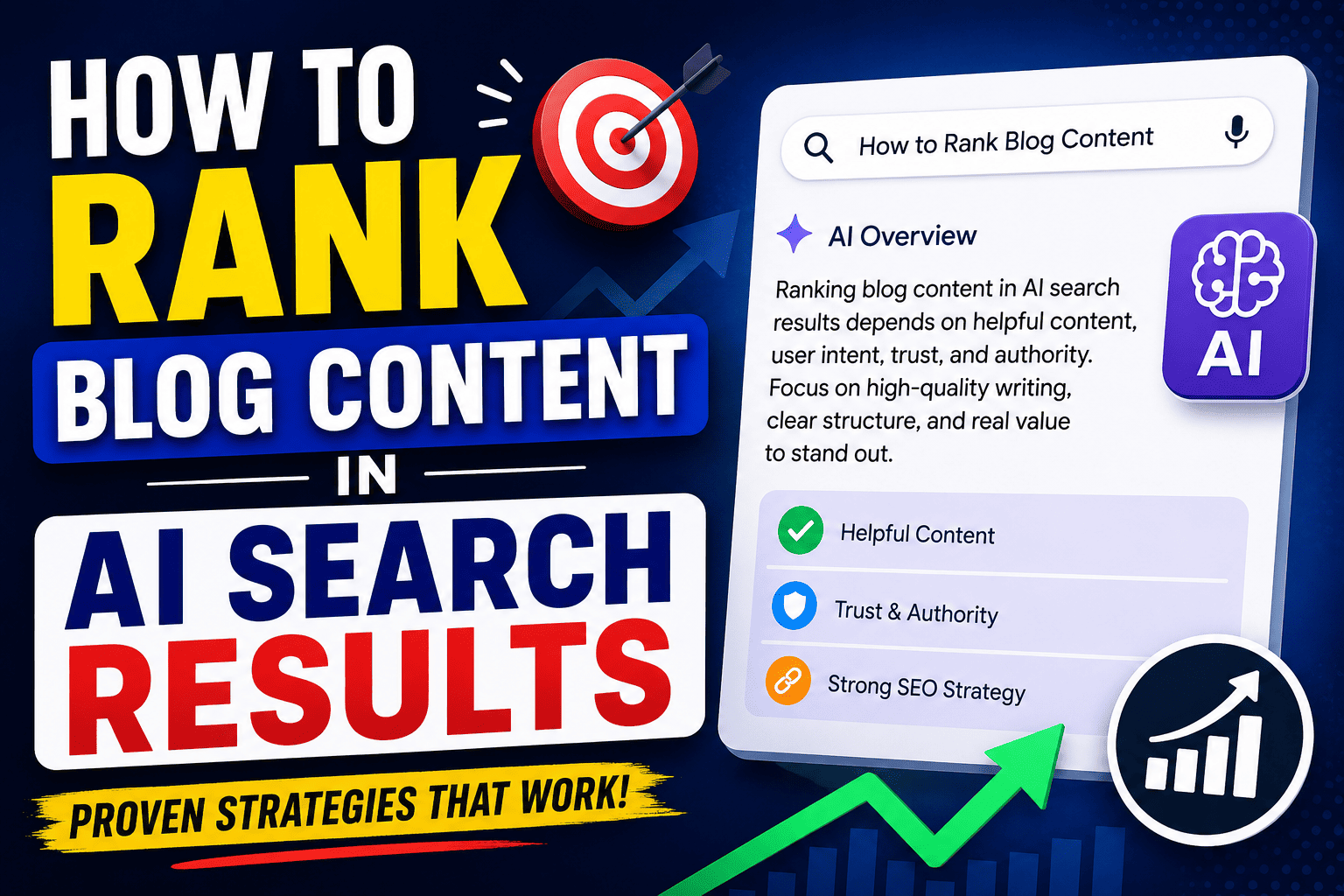
Search is changing rapidly. People are no longer searching only through traditional search engines. Today, users ask questions directly on smart search platforms, voice assistants, and conversational search tools that provide instant answers within seconds.
Because of this shift, businesses and bloggers must now optimize content differently. Traditional ranking methods still matter, but modern search systems now focus more on content quality, trust, user intent, topic depth, and real value.
If your content is not properly optimized, it may never appear in these modern search experiences.
After years of working on blog optimization and content strategies, one thing has become very clear — content that solves real problems in a simple and trustworthy way performs better than content written only for rankings.
In this guide, you will learn practical strategies that help blog content rank better in modern search results and improve long-term visibility.
Understand User Intent Before Writing
The first step to ranking content is understanding what users actually want.
Before writing a blog:
- Search your target topic manually
- Analyze top-ranking pages
- Study common questions users ask
- Understand whether readers want information, solutions, comparisons, or tutorials
For example, someone searching “how to rank blog content in AI search results” wants practical optimization strategies, not generic definitions.
When your content matches search intent correctly, ranking opportunities improve naturally.
Write Content That Solves Real Problems
Modern search systems prioritize content that genuinely helps readers.
Your blog should:
- Answer questions clearly
- Provide actionable steps
- Include practical examples
- Explain concepts simply
- Avoid unnecessary filler content
Instead of writing for algorithms, write for humans first.
Helpful content keeps users engaged longer, which improves visibility over time.
Focus on E-E-A-T Principles
Content quality and trust are now more important than ever.
Your blog should demonstrate:
- Experience
- Expertise
- Authority
- Trustworthiness
Ways to Improve E-E-A-T
- Share practical insights
- Add real examples
- Use accurate information
- Keep content updated
- Maintain a professional website
- Include author details and business information
Search systems prefer trustworthy websites that consistently publish valuable content.
Use Natural Keywords Strategically
Keywords still matter, but keyword stuffing can hurt rankings.
Use your primary keyword naturally in:
- Title
- Introduction
- Headings
- Meta description
- Image alt text
- Conclusion
Also include related search terms naturally throughout the article.
Example Related Keywords
- Blog ranking strategies
- Content optimization
- Search visibility
- Organic traffic growth
- Content structure
- Search optimization techniques
Natural keyword placement improves readability and helps search systems understand your content better.
Create Strong Headlines
Your headline directly impacts clicks and engagement.
A strong title should:
- Clearly explain the topic
- Include the target keyword
- Create curiosity
- Promise value
Good Examples
- How to Rank Blog Content in AI Search Results
- Complete Guide to AI Search Optimization
- Best Strategies to Improve Blog Visibility in AI Search
Avoid misleading titles because poor engagement can negatively affect rankings.
Structure Your Content Properly
Well-structured content is easier to read and understand.
Best Structure for Blogs
- H1 for title
- H2 for main sections
- H3 for subtopics
- Short paragraphs
- Bullet points
- Numbered lists
Proper formatting improves user experience and increases reading time.
Optimize for Conversational Search
Modern search behavior is becoming more conversational.
Instead of targeting only short keywords, optimize for natural questions like:
- How can I rank my blog faster?
- What helps content appear in AI search results?
- How do modern search systems rank websites?
Including conversational phrases helps your content align with real user searches.
Improve Content Readability
Most users scan content quickly before deciding to continue reading.
To improve readability:
- Use short sentences
- Avoid complicated words
- Keep paragraphs small
- Add spacing between sections
- Use subheadings frequently
Simple writing improves engagement and user retention.
Add Internal Links
Internal linking helps search systems understand your website structure.
Link related:
- Blog posts
- Service pages
- Guides
- Case studies
Internal links help users explore more content on your website, increasing session time.
Optimize Website Speed
A slow website can reduce rankings and increase bounce rates.
Improve Speed By
- Compressing images
- Using fast hosting
- Removing unnecessary plugins
- Enabling caching
- Using lightweight themes
Fast-loading websites provide better user experience and perform better in search visibility.
Mobile Optimization Is Essential
Most searches now happen on mobile devices.
Your blog should:
- Load properly on phones
- Use responsive layouts
- Have readable text
- Avoid cluttered designs
Poor mobile experience can negatively impact visibility.
Update Content Regularly
Fresh and updated content performs better over time.
Regularly update:
- Statistics
- Examples
- Search trends
- Internal links
- Outdated information
Updating old blogs can improve rankings without creating entirely new content.
Build Topic Authority
Publishing random content reduces overall website authority.
Instead, focus on one niche and create detailed content clusters around related topics.
For example:
- Search optimization
- Content marketing
- Website performance
- Blogging strategies
- Local business growth
- Technical optimization
Consistent niche-focused publishing helps establish authority.
Encourage User Engagement
Engagement signals help improve visibility.
Encourage users to:
- Spend more time reading
- Visit related pages
- Share content
- Leave comments
- Explore your services
High engagement often indicates content quality.
Conclusion
Ranking blog content in AI search results requires more than traditional optimization methods. Modern search systems prioritize content that is useful, trustworthy, well-structured, and genuinely helpful to readers.
If you focus on:
- Search intent
- Helpful information
- Strong content structure
- Fast website performance
- Consistent publishing
- User experience
your blog has a much stronger chance of improving visibility and generating long-term organic traffic.
The future of search belongs to websites that provide real value and create content designed for humans first.